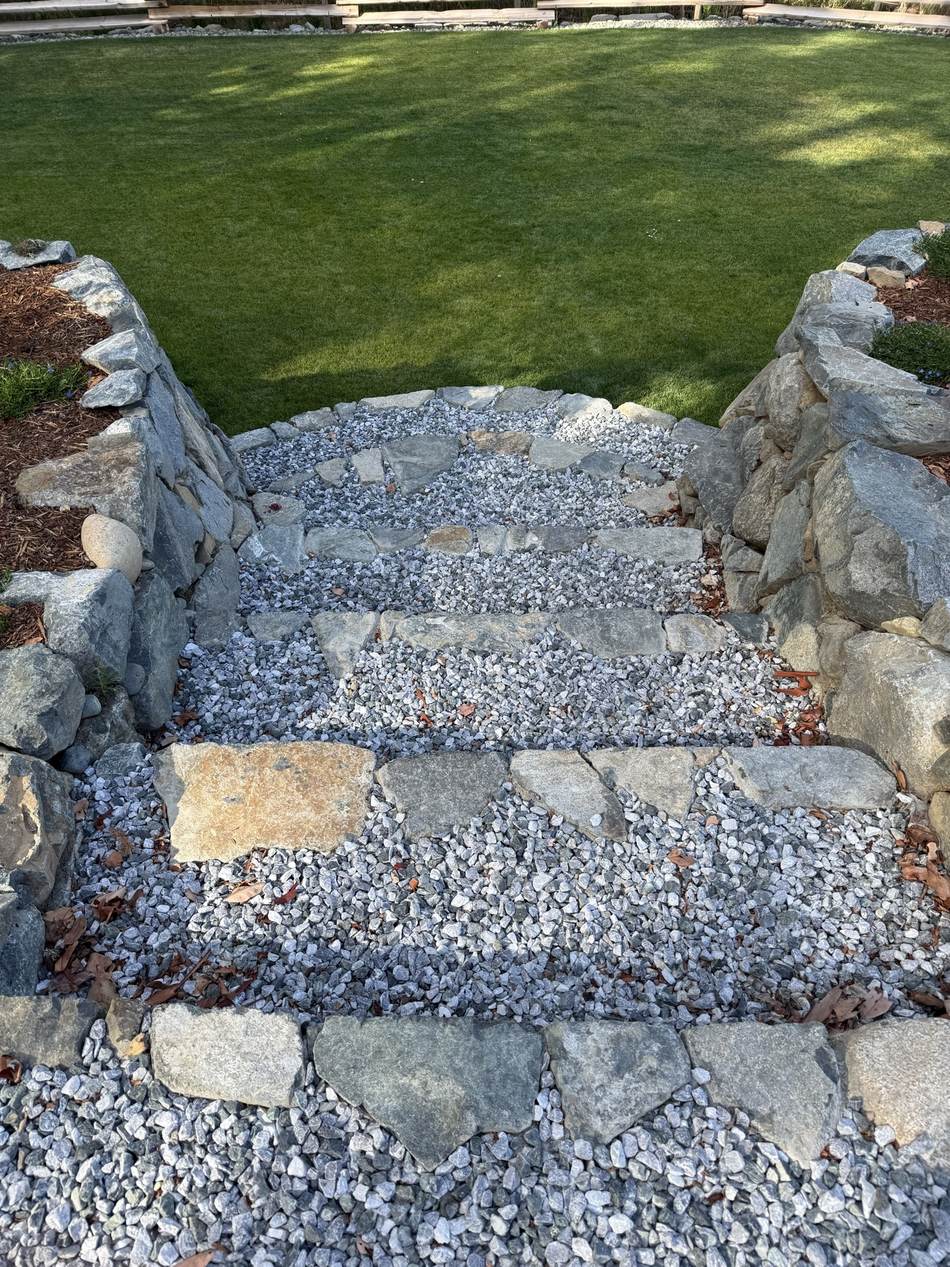
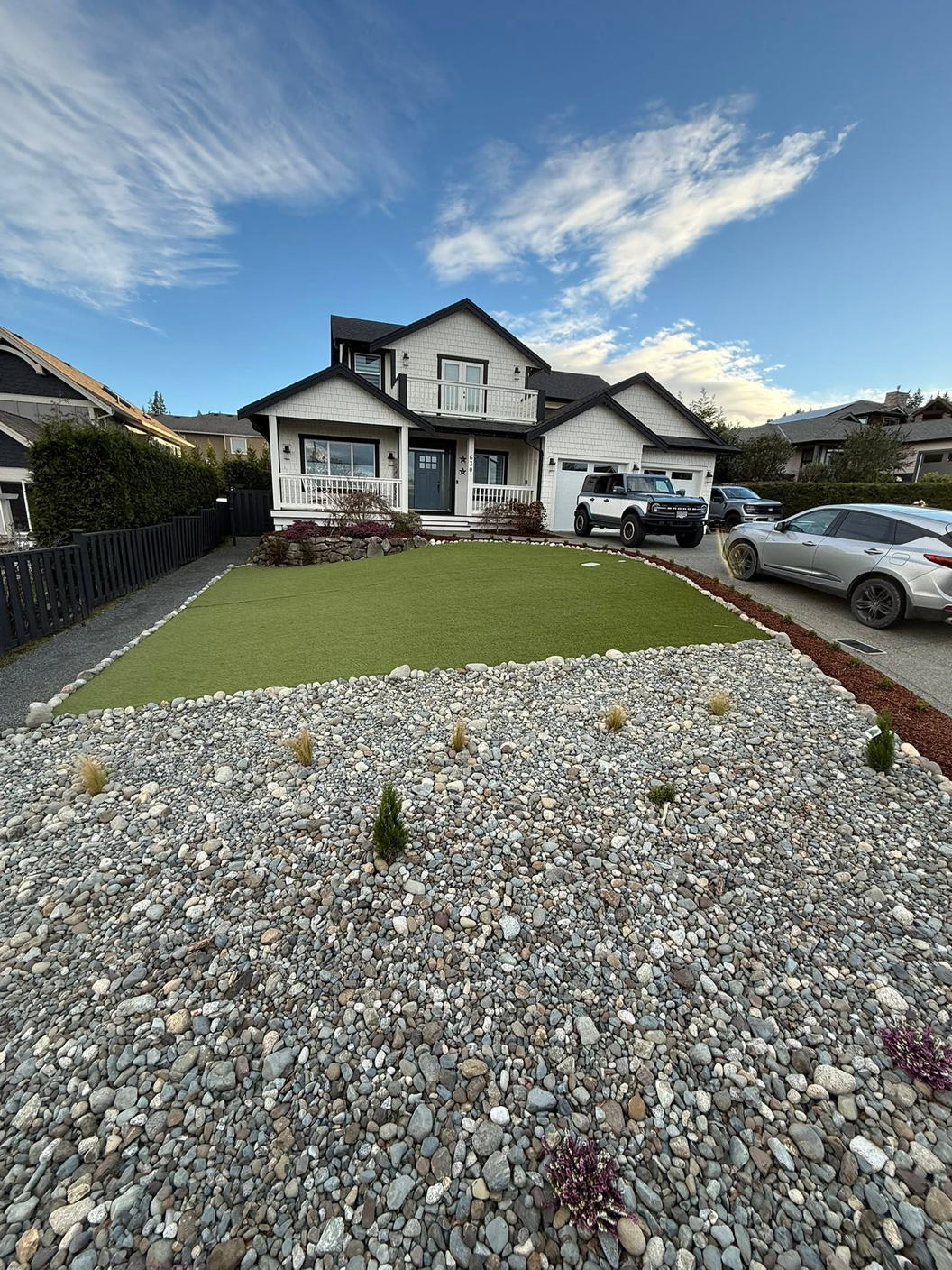
New Sod Lawns
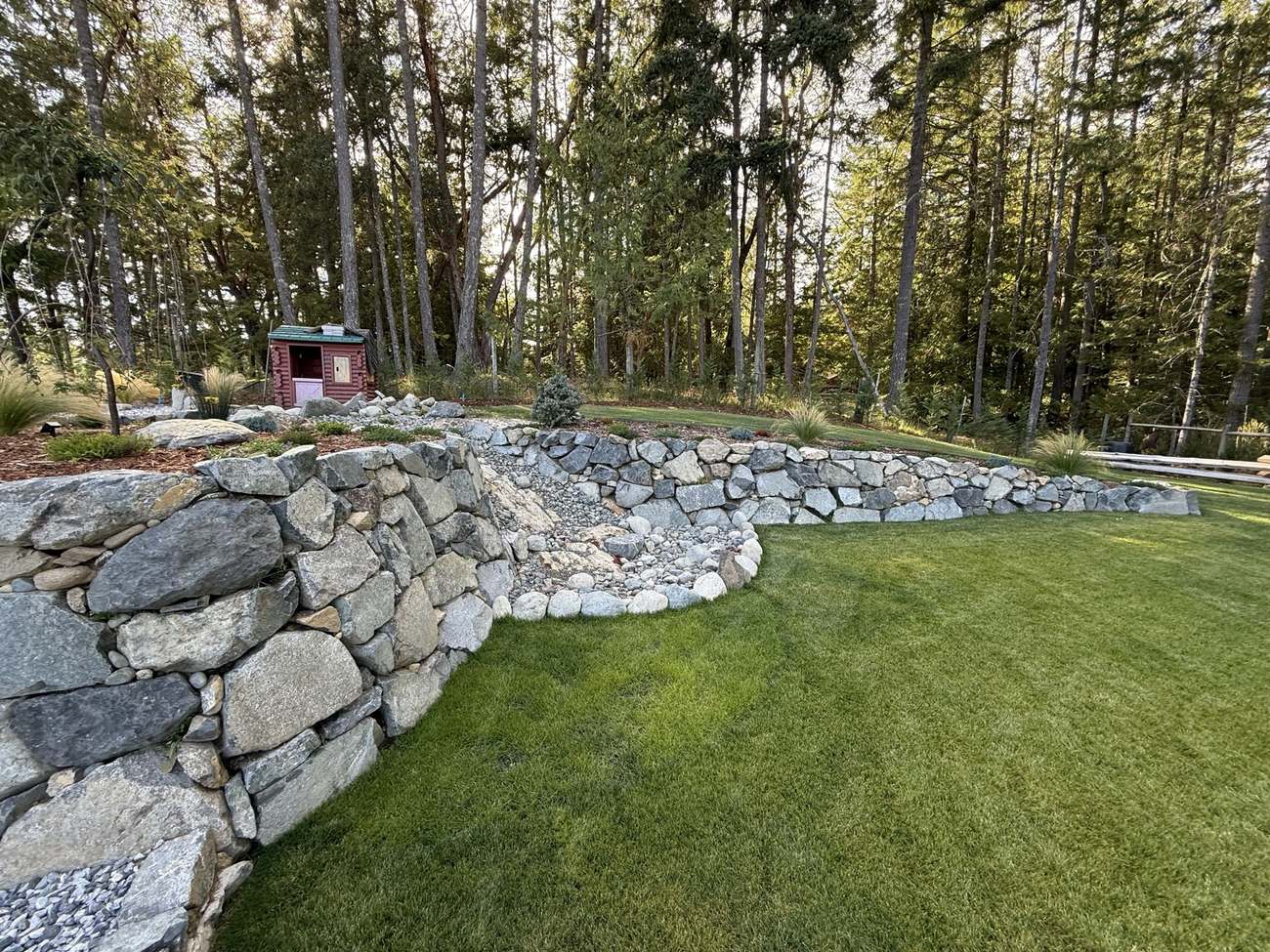
Instant lawn on prepared ground. We strip, grade, bring in topsoil to depth, roll it and lay the sod tight so the seams knit in rather than opening up over the first summer.
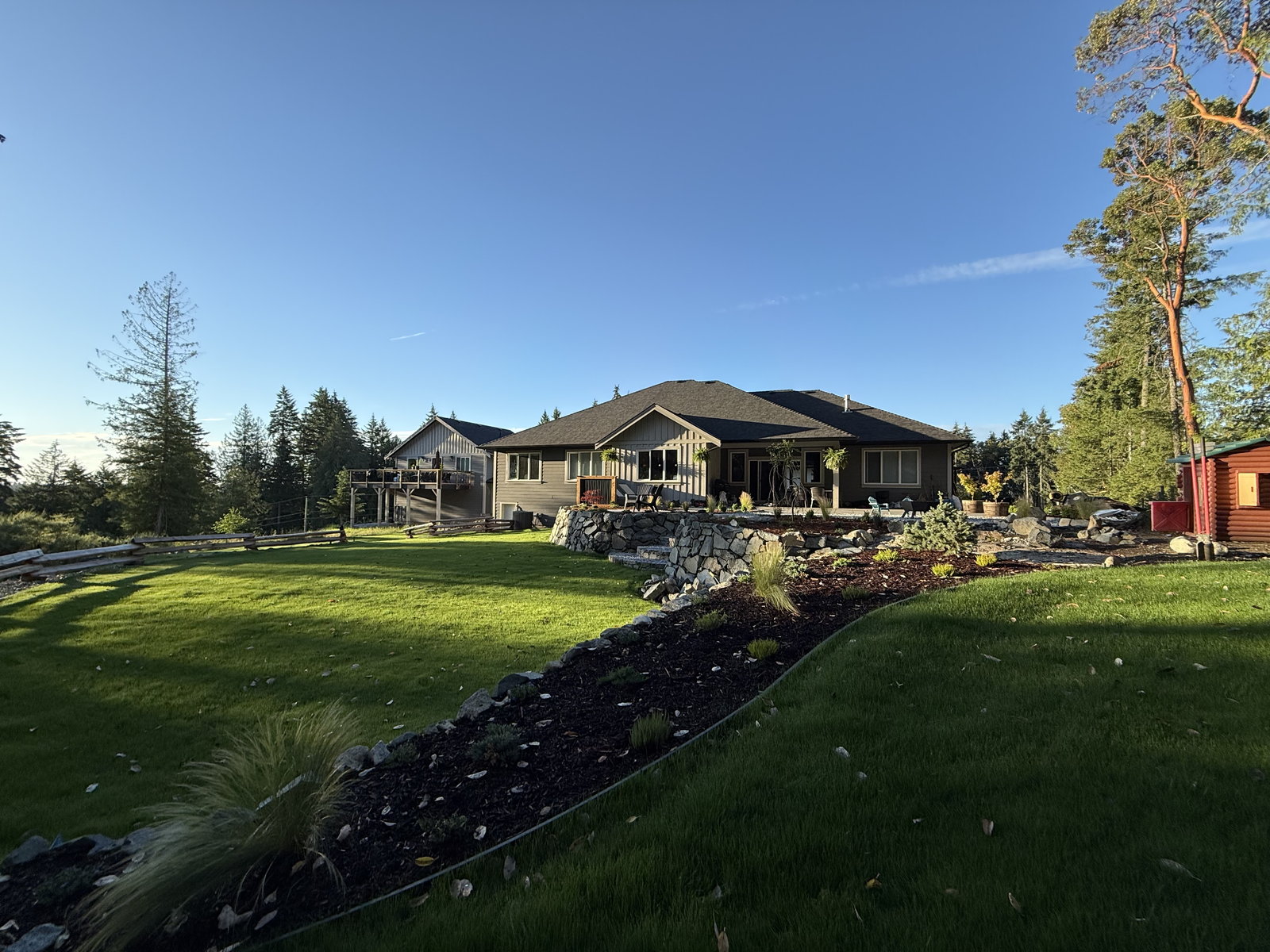
New sod lawns, topsoil and grading, garden beds and planting. Shaped to suit the property and graded so the water leaves before it becomes a problem.
Send a few details and we will get back to you to book a site visit. Photos of the space help, and so does anything you already know about your budget.
Most lawn problems are not lawn problems. They are grading and drainage problems wearing a lawn on top. Water sitting in a low spot, a yard that slopes back toward the house, or four inches of topsoil spread over compacted clay that nothing will root into.
So lawn installation here starts underneath. We strip what is there, fix the grade so water runs where it should, bring in the depth of quality topsoil the lawn actually needs, and then lay sod or seed onto ground that will grow it.
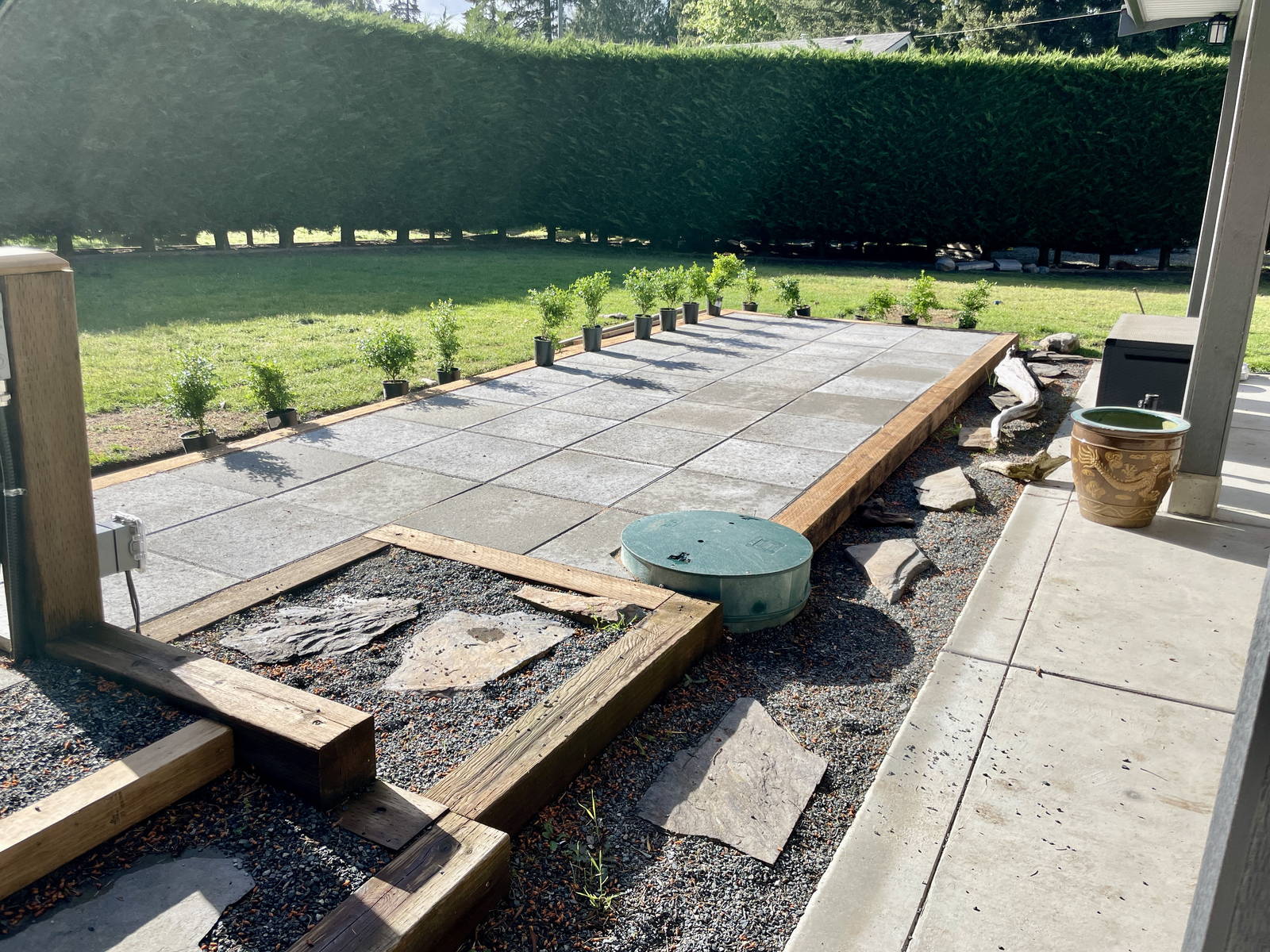
The same goes for garden beds and planting. Beds get shaped and edged so they hold their line, soil gets amended for what is going into it, and the layout is built around how the property is used and what will actually thrive in a South Island climate.
First the existing surface comes off and the sub grade gets shaped. This is where the drainage gets solved, before anything covers it up. If water is pooling somewhere or running back toward the foundation, that is fixed at this stage or it is not fixed at all.
Then topsoil goes in at a depth that will actually grow grass and hold moisture through August, gets levelled, and gets rolled. Skimping here is the single most common reason a new lawn looks tired within two seasons.
Sod is laid tight and staggered, rolled in, and you get watering instructions that matter, because the first three weeks decide whether it roots properly or not. Beds get edged, planted and topped, and the site gets cleaned up before we leave.
Instant lawn on prepared ground. We strip, grade, bring in topsoil to depth, roll it and lay the sod tight so the seams knit in rather than opening up over the first summer.
Screened topsoil brought in to a real depth and shaped so water moves away from the house and off the lawn. The part nobody sees and everything else depends on.
Beds shaped and edged to hold their line, soil amended for what is going in, and planting chosen to suit the light, the exposure and the wet season.
Bed topping and decorative rock, laid over the right base so it stays where it is put and keeps the weeding to a minimum.
Sod gives you a usable lawn immediately, holds a slope while it roots, and crowds out weeds from day one. Seed costs less and gives a wider grass selection, but it needs consistent watering and several months before it takes real traffic. On most residential yards here, sod is the practical answer.
Spring and fall are easiest, because the rain does much of the watering for you. Summer installs work fine as long as you can water properly through the establishment period. Winter installs are possible in a mild stretch but the lawn will not root much until things warm up.
More than most yards get. A thin skim over compacted ground gives grass nothing to root into, which is why it browns off first in a dry spell. We work to a depth appropriate for the site and what is underneath it, and we tell you what that is before we start.
Usually, yes. That is a grading or drainage issue, not a grass issue. It might mean recontouring the grade, installing drainage, or breaking up compacted ground and rebuilding the soil profile. We will look at where the water is coming from and where it needs to go before quoting a fix.