Dry Stacked Stone Walls
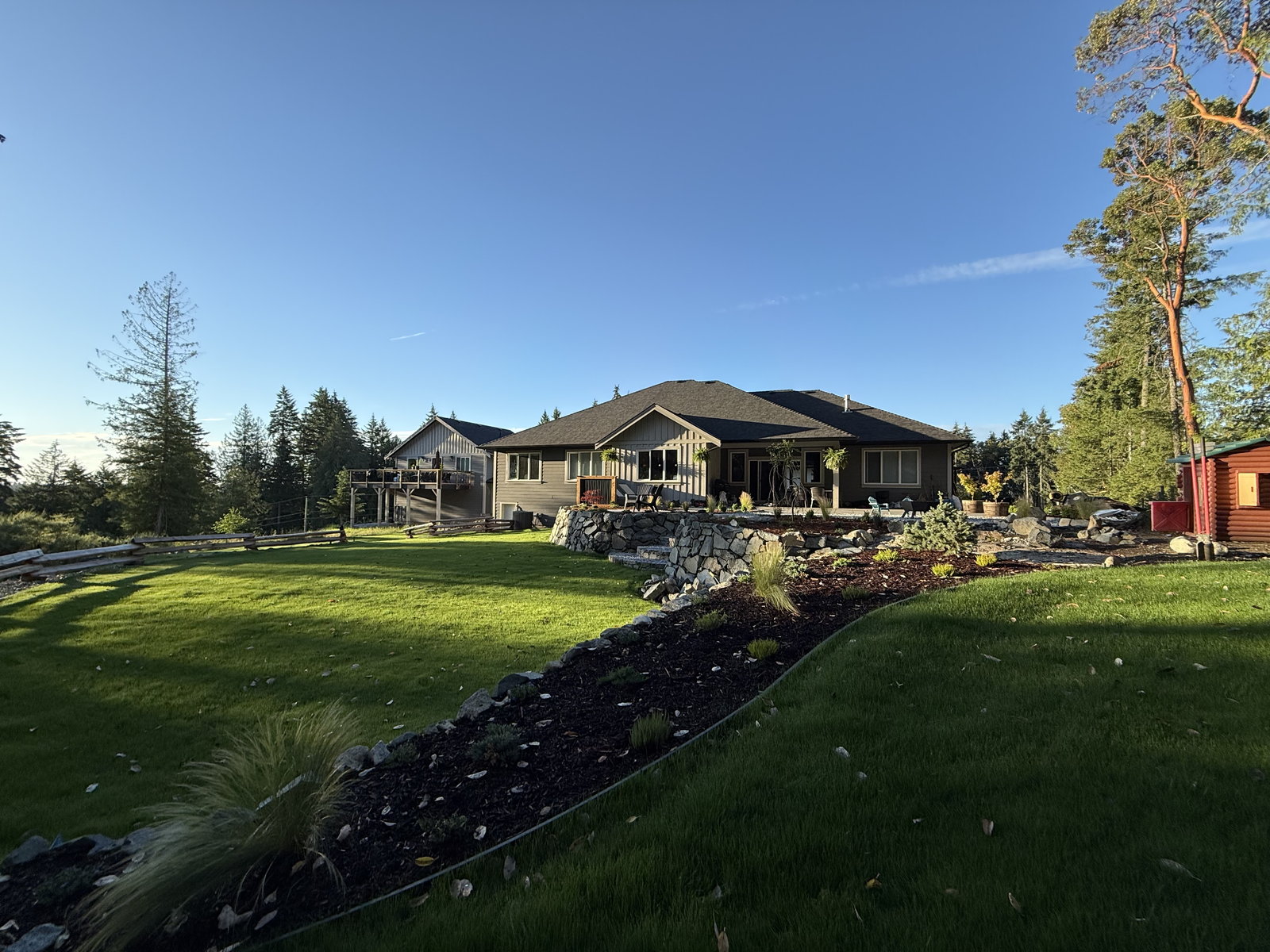
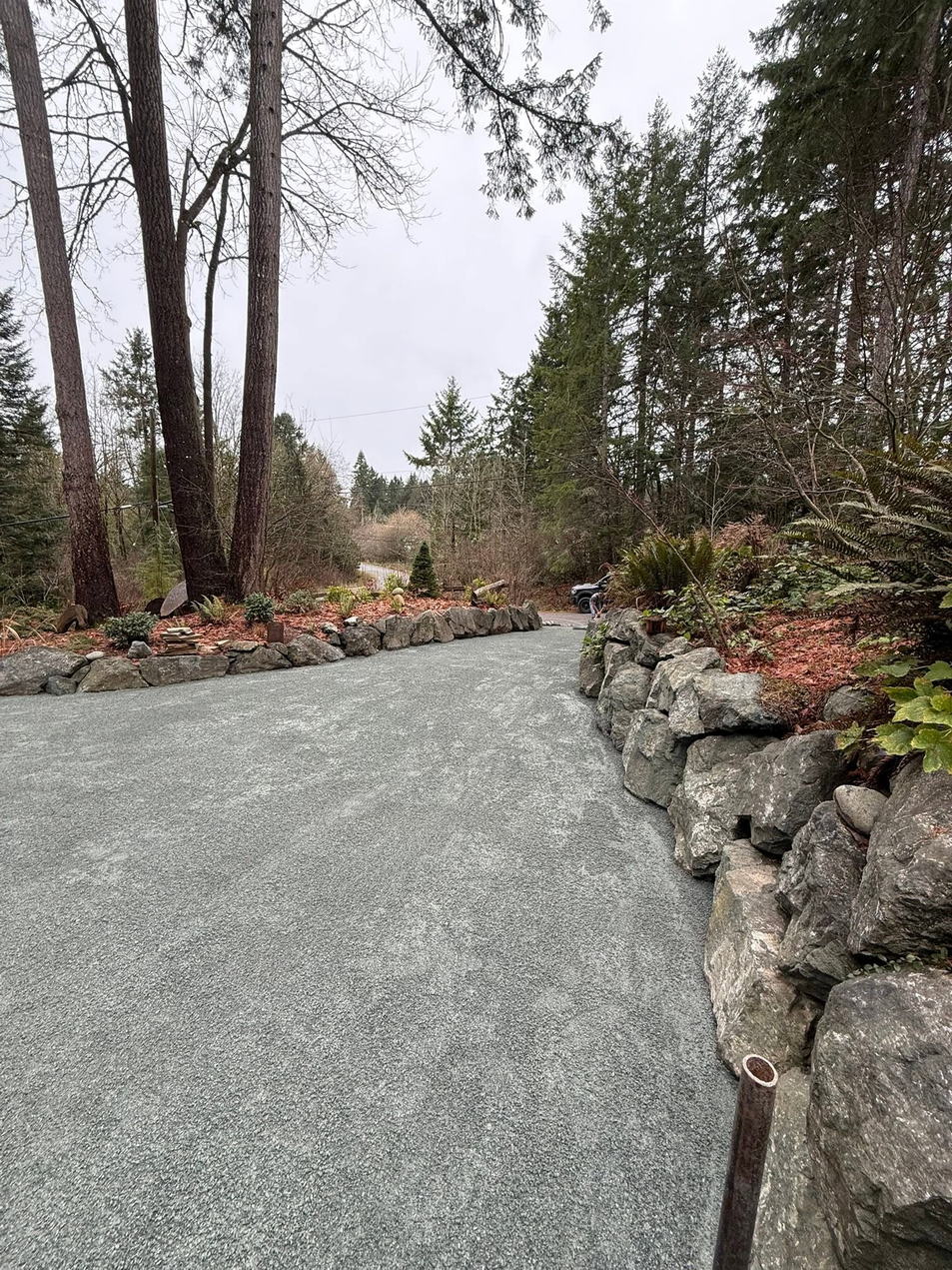
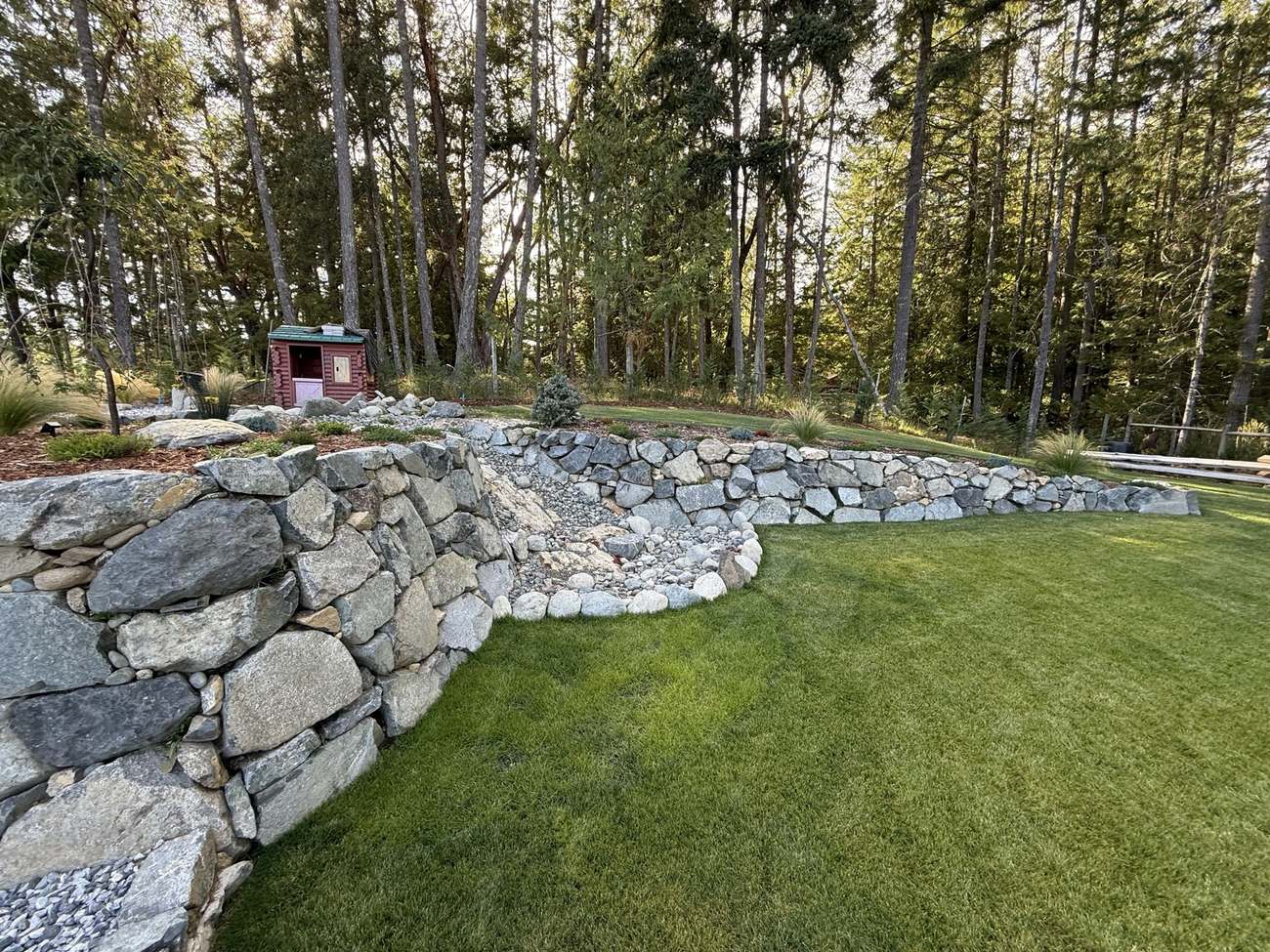
Stone set without mortar, each course tied through the wall so it locks together and moves as one. The traditional method, and on the right site it will outlast everything around it.
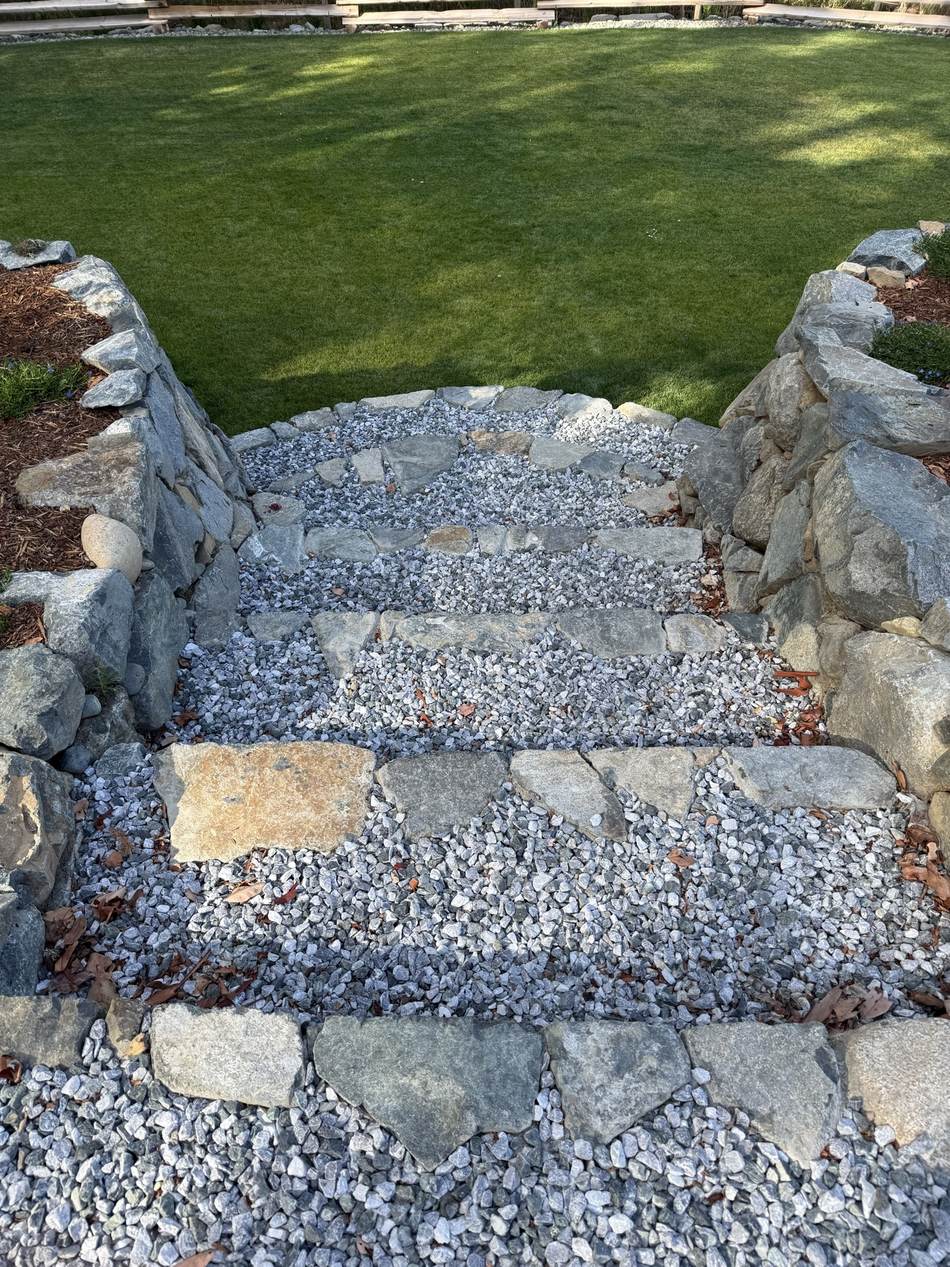
Natural stone walls, steps, veneer and features, set by hand. The craft is in the face, the longevity is in the drainage and the backfill behind it.
Send a few details and we will get back to you to book a site visit. Photos of the space help, and so does anything you already know about your budget.
Stone masonry is the slowest work we do and the work that lasts the longest. Every stone gets picked, turned and set individually, so a wall that reads as effortless is really a few hundred small decisions about which face goes out and how the courses tie together.
We build dry stacked stone walls and rock walls, stone steps and landings, stone veneer and facing on new and existing structures, and flagstone patios and feature stone set into landscaping.
The visible craft is only half of it. Behind a stone wall sits the same drainage and backfill discipline as any other retaining structure, because good looking stonework that was built on a poor base fails just as reliably as anything else.
Stone selection happens first, because the stone available decides what the wall can be. Sizes, shapes and how the faces break all shape the way the courses will run, and no drawing survives contact with a pallet of real stone.
The base is cut and compacted the same way as any retaining structure. For anything holding back grade, the drain rock, filter fabric and drain line go in behind the stone exactly as they would behind a block wall.
Then it is set by hand, course by course. Stones get turned until the right face is out, tie stones run back through the wall, and the joints get worked so the wall reads as one thing rather than a stack. It takes longer, and it is the whole reason to build in stone.
Stone set without mortar, each course tied through the wall so it locks together and moves as one. The traditional method, and on the right site it will outlast everything around it.
Solid slab treads or built up stone steps set at a consistent rise and run, bedded properly so no tread ever rocks underfoot.
Natural stone facing on foundations, columns, planters, pillars and outdoor kitchens, tying new work into the materials already on the house.
Flagstone patios and paths on a compacted base, and larger feature boulders placed into beds and slopes so they sit in the ground rather than on it.
Dry stacked stone is set without mortar and relies on the weight, the fit and tie stones running through the wall. It flexes slightly with ground movement and drains freely. Mortared stone is bonded together and needs a proper footing and drainage, because it cannot flex. Which one suits depends on the wall, the site and the look you want.
It depends on the property, the look you are after and what is available at the time. We will go through the options with you, including how each one weathers and how it will sit against the materials already on the house, before anything is ordered.
Very little. That is the appeal. A properly built dry stacked wall wants nothing beyond keeping the drainage clear and keeping roots out of it. Mortared work may eventually want a joint repointed. Neither needs sealing or annual attention.
Usually, yes. The stone itself costs more and it takes far longer to place, because every piece is handled individually rather than laid to a repeating pattern. What you get for it is a wall that looks like it grew out of the site and will still look right in thirty years.